
HVAC Terminology: Simplified Definitions and Explanations

Here you will find definitions of common HVAC terminology and related industry terms to help you better understand heating, ventilation, and air conditioning systems.
A
- Accumulator: A refrigerant storage component that prevents liquid refrigerant from entering the compressor.
- Actuator: A motorized device that moves dampers or valves in response to control signals.
- Adaptive Control Logic: Software that adjusts system operation based on usage patterns and environmental data.
- AFUE (Annual Fuel Utilization Efficiency): A measurement of how efficiently a furnace converts fuel into usable heat over a year. Higher percentages indicate better efficiency.
- Air Balancing: The process of adjusting airflow to ensure even distribution throughout a building.
- Air Changes Per Hour (ACH): The number of times the total volume of air in a space is replaced within one hour.
- Air Cleaner: A device designed to remove airborne contaminants such as dust, pollen, and allergens.
- Air Handler: The indoor component of an HVAC system that circulates conditioned air through ductwork using a blower, filter, and coil.
- Airflow: The movement of air through HVAC ducts, measured in cubic feet per minute (CFM).
- Ambient Temperature: The temperature of the surrounding air in a given environment.
- Amp Draw: The electrical current a component consumes during operation, used for diagnostics.
- ASHRAE: American Society of Heating, Refrigerating, and Air-Conditioning Engineers, which sets industry standards and best practices.
B
- Backdraft: Reverse airflow in a flue or chimney that can cause combustion gases to re-enter the building.
- Baffle: A plate or panel used to direct airflow or improve heat transfer.
- Balance Point: The outdoor temperature at which a building’s heat loss equals the heat produced by the system.
- Blended Air: A mixture of return air and outdoor air before conditioning.
- Blower Motor: An electric motor that drives the fan responsible for moving air through the HVAC system.
- Booster Fan: An auxiliary fan installed to improve airflow in specific duct sections.
- BTU (British Thermal Unit): A unit of heat measurement representing the energy required to raise one pound of water by one degree Fahrenheit.
- Building Automation System (BAS): A centralized system that controls HVAC, lighting, and other building operations.
- Building Envelope: The physical barrier between indoor and outdoor environments, including walls and insulation.
- Burner Assembly: The complete set of components that mix fuel and air for combustion.
C
- Capacitor: An electrical component that stores energy and helps motors start and run efficiently.
- Capacity Control: The ability of a system to adjust output based on demand.
- Carbon Monoxide (CO): A colorless, odorless gas produced by incomplete combustion, potentially hazardous if leaked indoors.
- Carbon Monoxide Draft Test: A safety test ensuring combustion gases vent properly.
- Cascade System: A refrigeration setup using multiple refrigerants for extremely low temperatures.
- CFM (Cubic Feet per Minute): A standard measurement of air volume moving through an HVAC system.
- Charge (Refrigerant Charge): The precise amount of refrigerant required for proper system operation.
- Chiller: A large cooling system used in commercial or industrial buildings to remove heat from liquids.
- Comfort Cooling: Cooling designed primarily for occupant comfort rather than industrial processes.
- Compressor: The heart of an air conditioning system that pressurizes refrigerant and enables heat transfer.
- Condensate Neutralizer: A device that neutralizes acidic condensate from high-efficiency furnaces.
- Condenser Coil: The outdoor coil where heat is released from refrigerant into the surrounding air.
- Control Board: The electronic board that manages HVAC system operations.
D
- Damper: A movable plate within ductwork used to regulate or balance airflow.
- Dead Band: The temperature range where neither heating nor cooling is activated.
- Defrost Cycle: A function in heat pumps that removes frost buildup from the outdoor coil in cold weather.
- Dehumidifier: A device that removes excess moisture from the air to improve comfort and prevent mold growth.
- Delta T (ΔT): The temperature difference between supply and return air.
- Demand Control Ventilation (DCV): A system that adjusts ventilation based on occupancy.
- Design Temperature: The outdoor temperature used to size HVAC systems for peak conditions.
- Dew Point: The temperature at which air becomes saturated and moisture condenses.
- Direct Expansion (DX) System: A cooling system where refrigerant directly absorbs heat from indoor air.
- Duct Leakage Test: A diagnostic test measuring air loss from ductwork.
- Ductwork: A network of passages that distribute heated or cooled air throughout a building.
E
- ECM (Electronically Commutated Motor): A high-efficiency motor that adjusts speed based on system demand.
- EER (Energy Efficiency Ratio): A measurement of cooling efficiency under specific operating conditions.
- Energy Factor (EF): A measure of water heater efficiency.
- Energy Recovery Ventilator (ERV): A system that exchanges stale indoor air with fresh outdoor air while retaining energy.
- Energy Recovery Wheel: A rotating device that transfers heat and moisture between exhaust and incoming air.
- Enthalpy: A measurement combining air temperature and humidity to determine total heat content.
- Evaporative Load: Cooling demand caused by moisture removal.
- Evaporator Coil: The indoor coil where refrigerant absorbs heat from indoor air, producing cooling.
- Exhaust Fan: A fan that removes stale air from a space.
- Expansion Ratio: The pressure difference between high- and low-side refrigerant flow.
- External Static Pressure: Resistance the blower must overcome to move air through ductwork.
F
- Face Velocity: The speed of air moving across a coil or filter surface.
- Fan Coil Unit (FCU): A system that circulates air across a heating or cooling coil.
- Filter MERV Rating: A scale that measures a filter’s ability to capture airborne particles.
- Filter: A device that captures dust, pollen, and contaminants to improve indoor air quality.
- Fire Damper: A safety device installed in ductwork to prevent fire spread.
- Flame Rectification: A method used to verify burner flame presence.
- Flame Sensor: A safety component that detects burner flame presence.
- Flow Hood: A tool used to measure air volume at registers.
- Forced-Air System: An HVAC system that distributes air using a blower and ductwork.
- Free Cooling: Using outdoor air for cooling when conditions allow.
- Fusible Link: A safety component that melts to close a fire damper.
G
- Gas Furnace: A heating system that burns natural gas or propane to generate heat.
- Gas Train: A series of valves and regulators controlling gas flow to a burner.
- Gas Valve Regulation: The controlled flow of gas to burners.
- Glide (Refrigerant): The temperature range at which blended refrigerants evaporate or condense.
- Grain Depression: A measurement of moisture removed from air during dehumidification.
- Grain of Moisture: A unit used to measure humidity levels in air.
- Grille Face Area: The visible portion of an air grille through which air flows.
- Grille: The visible vent cover that allows air to enter or exit a room.
- Ground Source Heat Pump (Geothermal): A system that transfers heat to or from the ground for efficient heating and cooling.
- Ground Source Loop: The underground piping system used in geothermal HVAC systems.
H
- Head Pressure Control: A system that regulates condenser pressure in varying conditions.
- Heat Exchanger: A component that transfers heat from combustion gases to circulating air.
- Heat Pump Balance Point: The outdoor temperature at which auxiliary heat is required.
- Heat Pump: A system that provides both heating and cooling by transferring heat rather than generating it.
- Heat Rejection: The process of expelling unwanted heat from a system.
- Heat Rise: The temperature increase across a furnace.
- High-Limit Switch: A safety device that shuts off the furnace if temperatures exceed safe levels.
- Humidistat: A control device that regulates indoor humidity levels.
- Humidity: The amount of moisture present in the air.
- HVAC Zoning Panel: A control board that manages airflow to different zones.
- Hydronic Heating: A system that uses hot water circulated through pipes to provide heat.
I
- IAQ Monitoring: Continuous measurement of indoor air contaminants.
- Indoor Air Quality (IAQ): The cleanliness and health of air inside a building.
- Induced Draft Motor: A fan that draws combustion gases through the heat exchanger.
- Infiltration Rate: The amount of outdoor air entering a building unintentionally.
- Infiltration: Uncontrolled air leakage into a building through cracks or openings.
- Insulated Duct: Ductwork wrapped with insulation to prevent heat loss or gain.
- Interlock: A safety mechanism preventing unsafe system operation.
- Intermittent Fan Operation: Fan cycling used to improve air mixing and filtration.
- Inverter Technology: A system that adjusts compressor speed for improved efficiency and comfort.
- Ionizer: An air-cleaning device that charges particles to improve filtration.
- Isolation Valve: A valve used to shut off sections of a system for service.
J
- J-Box: Electrical junction box used for HVAC wiring connections.
- J-Load Calculation: A standardized method for sizing HVAC equipment accurately.
- Jet Nozzle: A directional airflow outlet designed for targeted air distribution.
- Jobsite Commissioning: Final system testing to ensure proper installation and performance.
- Joint Sealing Compound: Material used to prevent duct leakage at connections.
- Joule: A metric unit of energy sometimes used in HVAC calculations.
K
- K-Factor: A coefficient used to calculate airflow or heat transfer rates.
- Kilowatt Demand: Electrical load drawn during system operation.
- Kilowatt-Hour (kWh): A unit of electrical power used to measure HVAC energy consumption.
- Knee Wall Insulation: Insulation used in attic spaces affects HVAC performance.
- Knockdown Pressure: Pressure reduction caused by system load or airflow restriction.
- Knockout: A removable panel in HVAC equipment for routing wiring or piping.
L
- Latent Capacity: A system’s ability to remove moisture from air.
- Latent Heat: Heat associated with moisture content rather than temperature change.
- Lifecycle Cost: Total cost of ownership including installation, energy, and maintenance.
- Lift (Compressor Lift): The pressure difference a compressor must overcome.
- Line Set Insulation: Protective covering for refrigerant lines.
- Line Set: Copper tubing that carries refrigerant between indoor and outdoor units.
- Load Calculation: A process used to determine the correct HVAC system size for a building.
- Load Diversity: Variations in heating or cooling demand across zones.
- Lockout Mode: A safety condition where the system shuts down to prevent damage.
- Low-Ambient Kit: Equipment that allows air conditioners to operate in cold conditions.
- Low-Pressure Switch: A safety device that shuts down the system if refrigerant pressure drops too low.
M
- Maintenance Interval: Manufacturer-recommended service schedule.
- Make-Up Air Unit (MAU): A system that replaces exhausted air with conditioned outdoor air.
- Make-Up Air: Fresh air introduced into a building to replace exhausted air.
- Manifold Gauge: A diagnostic tool used to measure refrigerant pressures.
- Manual Damper: A fixed damper adjusted during system balancing.
- MERV (Minimum Efficiency Reporting Value): A rating that indicates how effectively an air filter captures particles.
- Microchannel Coil: A compact, efficient condenser coil design.
- Mini-Split System: A ductless HVAC system providing zoned comfort.
- Mixed Air Temperature: The temperature of combined return and outdoor air.
- Modulating Burner: A burner that adjusts flame intensity based on demand.
- Multi-Stage Compressor: A compressor with multiple capacity levels.
N
- Natural Ventilation: Airflow achieved without mechanical systems, using windows or vents.
- Negative Pressure: A condition where air is drawn into a space due to lower internal pressure.
- Net Free Area: The open area of a grille or louver that allows airflow.
- Neutral Air: Conditioned air supplied at room temperature.
- Neutral Pressure Plane: The point where indoor and outdoor pressures equalize.
- Neutralizer Media: Material used to treat acidic condensate.
- No-Heat Call: A thermostat demand for heating without system response.
- Noise Attenuator: A device used to reduce airflow noise.
O
- Occupancy Sensor Integration: HVAC control linked to motion detection.
- Oil Furnace: A heating system that burns fuel oil.
- Oil Separator: A device that removes oil from refrigerant flow.
- Operating Envelope: The range of conditions in which a system functions properly.
- Outdoor Reset Control: Adjusts heating output based on outdoor temperature.
- Outdoor Unit: The exterior portion of an HVAC system that houses the compressor and condenser coil.
- Overcooling: Excessive cooling that reduces comfort and increases humidity.
- Overload Protector: A safety device that prevents motors from overheating.
P
- Plenum Box: An enclosed space used to distribute or collect air.
- Plenum: A chamber that distributes conditioned air from the HVAC unit into ducts.
- Positive Pressure: Air pressure inside a building that is higher than outside pressure.
- Pre-Charge Refrigerant: Factory-installed refrigerant for standardized installations.
- Preheat Coil: A coil used to warm incoming air before final heating.
- Pressure Drop: The reduction in air or fluid pressure through a system.
- Pressure Switch: A safety control that monitors airflow or refrigerant pressure.
- Programmable Thermostat: A thermostat that allows scheduled temperature adjustments.
- PSI (Pounds per Square Inch): A unit used to measure refrigerant pressure.
- Psychrometric Chart: A chart used to analyze air properties and HVAC performance.
- Purge Cycle: A system function that clears gases or air before ignition.
R
- R-Value: A measure of insulation’s resistance to heat flow.
- Rated Capacity: Manufacturer-specified output under standard conditions.
- Recovery Time: How quickly a system returns to set temperature.
- Refrigerant Migration: Movement of refrigerant during off cycles, potentially causing damage.
- Refrigerant: A chemical compound used to absorb and release heat during the cooling process.
- Reheat Cycle: A dehumidification method that reheats cooled air.
- Reheat: Warming air after dehumidification to maintain comfort.
- Reset Control: Adjusts system output based on outdoor temperature.
- Return Air: Air drawn back into the HVAC system to be reheated or recooled.
- Return Plenum: Chamber that collects air returning to the HVAC unit.
- Riser: Vertical piping that distributes air or fluid between floors.
- Run Capacitor: A capacitor that helps maintain motor operation efficiency.
S
- SEER (Seasonal Energy Efficiency Ratio): A rating that measures air conditioner cooling efficiency over a season.
- SEER2 / EER2: Updated efficiency standards reflecting real-world conditions.
- Sensible Heat Ratio (SHR): The ratio of sensible cooling to total cooling.
- Short Cycling: Frequent system on/off operation that reduces efficiency and lifespan.
- Smart Zoning: Automated airflow control based on room usage.
- Smoke Damper: A duct device that prevents smoke spread.
- Soft Start: A method that reduces electrical surge during startup.
- Split System: An HVAC system with indoor and outdoor components separated.
- Static Pressure Profile: Air resistance measurement throughout ductwork.
- Subcooling: The temperature drop of liquid refrigerant below its condensing point.
- Supply Air: Conditioned air delivered into a space.
T
- Thermal Bridging: Heat transfer through structural materials bypassing insulation.
- Thermal Comfort: The condition where occupants feel neither too hot nor too cold.
- Thermal Mass: Materials that store and release heat slowly.
- Thermostat: A control device that regulates indoor temperature.
- Thermostatic Expansion Valve (TXV): A valve regulating refrigerant flow precisely.
- Time Delay Relay: Electrical component that delays system start or shutdown.
- Ton of Refrigeration: A unit equal to 12,000 BTUs per hour.
- Ton: A cooling capacity measurement equal to 12,000 BTUs per hour.
- Total External Static Pressure (TESP): Combined resistance affecting airflow.
- Triple-Function Valve: Controls heating, cooling, and domestic hot water flow.
- Turbulator: A device that improves heat transfer inside tubes.
- Two-Stage System: HVAC equipment with two output levels for improved efficiency and comfort.
U
- U-Tube Heat Exchanger: A curved heat exchanger design common in boilers.
- Underfloor Air Distribution: HVAC method delivering air through floor plenums.
- Unoccupied Mode: A thermostat setting that reduces energy use when spaces are empty.
- Upflow Coil: Evaporator coil configuration designed for upward airflow.
- Upflow Furnace: A furnace design where air flows upward through the system.
- User Setback Scheduling: Pre-programmed temperature changes for efficiency.
- UV Light: A purification device used to reduce bacteria and mold inside HVAC systems.
V
- Variable Refrigerant Flow (VRF): Advanced system allowing simultaneous heating and cooling.
- Variable-Speed Motor: A motor that adjusts speed for greater efficiency and consistent comfort.
- VAV (Variable Air Volume): A system that adjusts airflow based on demand.
- Velocity Pressure: Air pressure created by airflow speed.
- Vent Connector: Pipe connecting appliances to flue systems.
- Ventilation: The process of exchanging indoor air with outdoor air.
- Venturi Effect: Pressure reduction caused by fluid flow through a constricted area.
- Verification Testing: Post-install tests confirming proper operation.
- Vibration Isolator: A device that reduces noise and vibration transmission.
- Volume Damper: A device that regulates airflow quantity.
W
- Warm-Up Cycle: A system mode that brings space temperature to setpoint quickly.
- Warranty: Manufacturer coverage for HVAC components and systems.
- Water-Cooled Condenser: A condenser that uses water instead of air for heat rejection.
- Wear Indicators: Diagnostic signs predicting component failure.
- Weather Compensation: System adjustment based on outdoor conditions.
- Wet Bulb Temperature: Measurement accounting for humidity and evaporation.
- Whole-Home Humidifier: A system that adds moisture to indoor air through HVAC ductwork.
- Work Air: Air used to maintain pressure balance in a building.
X
- X-Factor (Heat Transfer): A coefficient used in thermal performance calculations.
- X-Flow Coil: A coil design that improves refrigerant distribution and efficiency.
Y
- Year-Round Efficiency: System performance measured across all seasons.
- Yield Efficiency Curve: Performance comparison across operating conditions.
Z
- Zero Clearance Furnace: A furnace designed to operate safely near combustible materials.
- Zone Averaging: Temperature control method using multiple sensors.
- Zone Control Module: A controller managing dampers and thermostats for zoned systems.
- Zone Damper: A motorized damper that controls airflow to a specific area.
- Zone Priority Logic: Programming that favors specific areas during demand.
- Zoning Bypass Damper: A pressure relief damper used in zoned duct systems.
- Zoning Junction: A control point where multiple duct zones connect.
- Zoning System: A setup that allows different areas of a building to be heated or cooled independently.
GET AN EVALUATION NOW
Terms and Conditions | Privacy Policy

Services


OUR BLOGS
Latest News & Insights
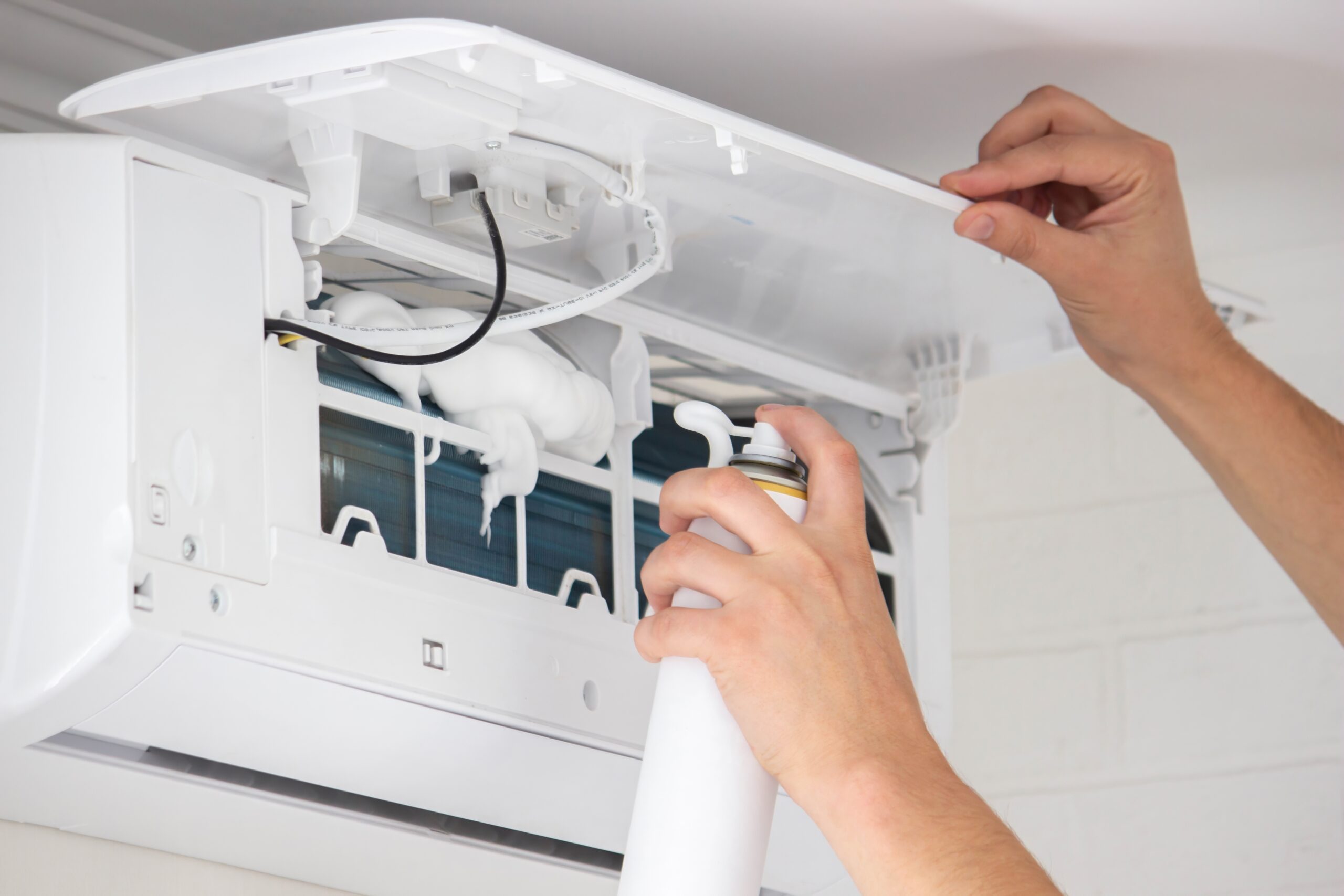
Don’t Sweat the Breakdown: AC Repair That Solves It Fast
A cooling system that stops working in Southern California is not an abstract inconvenience; it is a genuinely uncomfortable situation that gets worse with every hour nobody addresses it. Getting quality AC repair in Gardena,

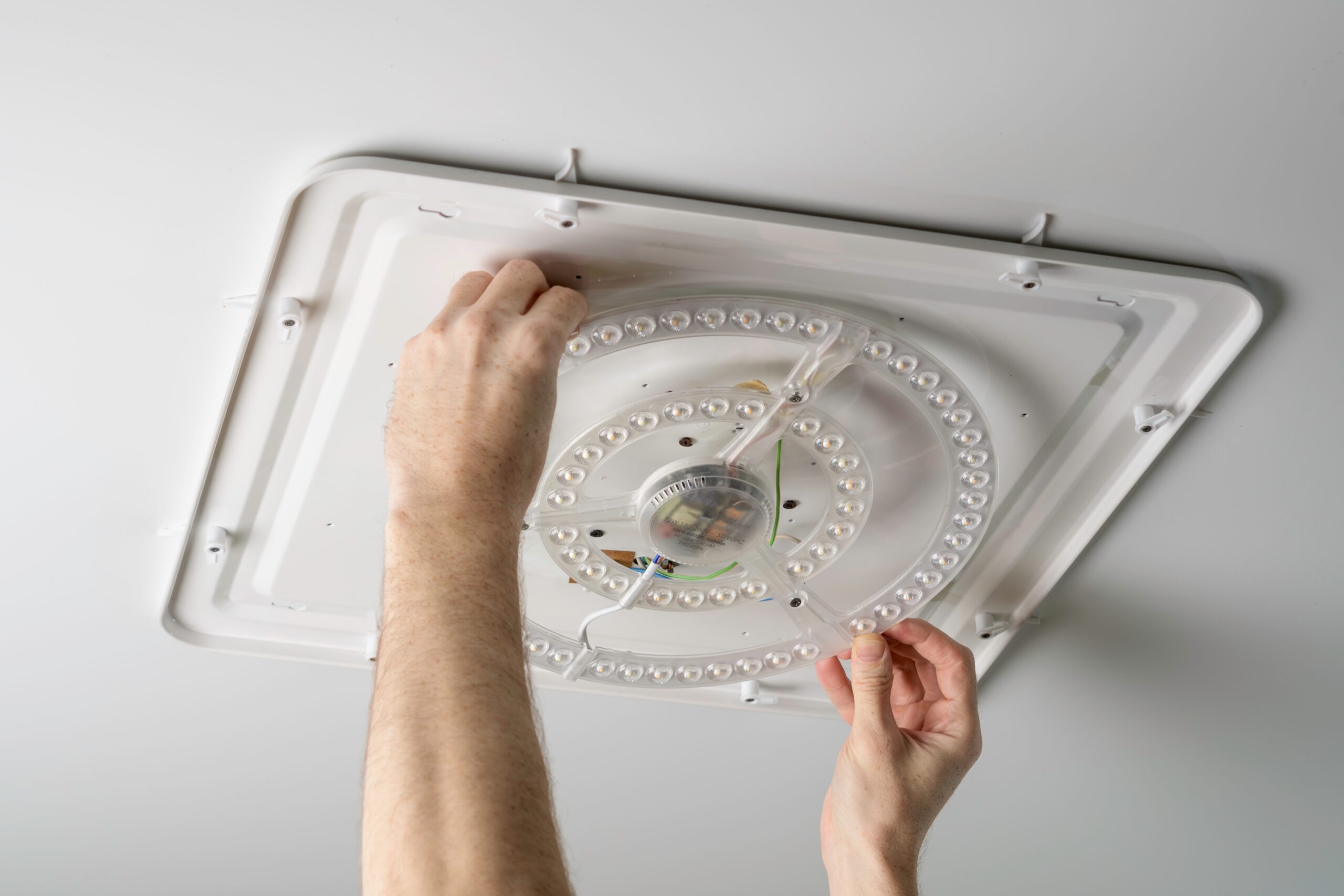
Light Fixture Repair That Keeps Your Home Safe and Well-Lit
A light that flickers, a fixture that burns through bulbs faster than it should, or a fitting that simply stops working is one of those household problems that most people manage around for longer than

Tankless Gas Water Heater Repair That Solves Ignition and Flow Issues Right
A tankless water heater is one of those household upgrades that becomes part of the daily routine so quickly that the moment it stops delivering what it promised is genuinely disruptive in a way that
Don’t Sweat the Breakdown: AC Repair That Solves It Fast
A cooling system that stops working in Southern California is not an abstract inconvenience; it is a genuinely uncomfortable situation that gets worse with every hour nobody addresses it. Getting quality AC repair in Gardena,
Don’t Sweat the Breakdown: AC Repair That Solves It Fast
A cooling system that stops working in Southern California is not an abstract inconvenience; it is a genuinely uncomfortable situation that gets worse with every hour nobody addresses it. Getting quality AC repair in Gardena,
Light Fixture Repair That Keeps Your Home Safe and Well-Lit
A light that flickers, a fixture that burns through bulbs faster than it should, or a fitting that simply stops working is one of those household problems that most people manage around for longer than