
When a furnace stops working, most people don’t care about technical details. They just want heat back. Still, knowing how to repair a furnace at a basic level can help you avoid panic, save time, and skip unnecessary service calls. Some problems are simple and safe to deal with. Others are not. This guide explains the difference in plain language, so you know what to try, what to avoid, and when it’s time to bring in a professional.
What a Furnace Does Behind the Scenes
A furnace heats air and moves it through your home. That’s it. Air comes in, gets warmed, and is pushed through vents by a blower. If any part of that chain breaks, heat stops. Understanding this simple process makes how to fix a furnace issue less confusing and helps you narrow down where things might be going wrong.
Basic Furnace Checks Most Homeowners Can Do
Some fixes are easy and safe. A dirty air filter can block airflow and cause the system to shut down. Thermostats get bumped, batteries die, and breakers trip more often than people think. Taking care of these small things counts as basic furnace heater repair solutions and often solves the problem without tools or risk.
Heating Problems That Don’t Require Technical Skills
Blocked vents, closed dampers, or furniture covering returns can stop warm air from circulating. These issues affect comfort, but don’t mean the furnace is broken. Fixing them can quickly repair house heating problems without touching the furnace itself.
Red Flags That Mean Stop Immediately
Some signs should never be ignored. The smell of gas, loud metal banging, visible soot, or a furnace that shuts off repeatedly are serious warnings. Trying to repair a gas furnace in these situations can be dangerous and should never be done without proper training.
Repairs That Should Always Be Left to Pros
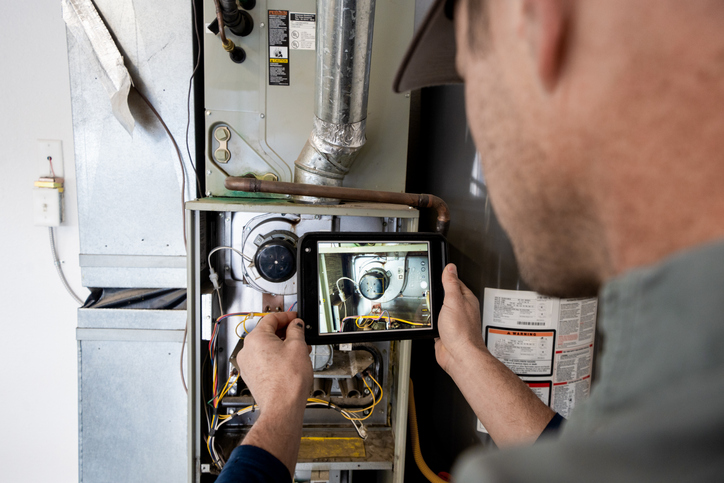
Blower motors, ignition systems, heat exchangers, and control boards are not DIY projects. These parts affect safety and system operation. Many homeowners search online for how to fix home furnace issues, but these repairs require tools and testing equipment that most people don’t have.
How to Troubleshoot Without Taking Anything Apart
You can learn a lot just by watching and listening. Does the furnace try to start? Does the fan run, but no heat comes out? Are there blinking lights on the control panel? These observations help with troubleshooting furnace problems and prevent unnecessary damage caused by guessing.
Why DIY Furnace Repairs Can Get Expensive
Well-meaning homeowners often make small problems worse. Forcing parts, skipping safety steps, or guessing at wiring can damage components that were working fine. People trying to learn how to repair a furnace without clear limits often end up paying more than if they had called early.
Preventing Furnace Trouble Before It Starts
Most furnace failures build up slowly. Filters clog. Parts wear down. Dust accumulates. Regular maintenance, clean airflow, and annual inspections reduce breakdowns and limit emergency calls. Prevention matters more than knowing how to fix a furnace in a crisis.
Knowing furnace repairs doesn’t mean you need to tackle every issue that comes up on your own. It’s more about understanding the basics, knowing when to look out for early warning signs, and knowing when it’s time to bring in the professionals. Taking care of small problems as soon as they arise can help your system work a lot more smoothly and last longer, plus it’s a good way to avoid getting caught out by a sudden breakdown when the temperature drops. Pay attention to odd noises, like a furnace that’s making some weird banging sound, or your energy bills just going up and up, and you’ll save yourself a whole lot of stress down the line. When something just feels off or downright dodgy, the best thing to do is call a pro, so you can keep your home safe & sound and your mind at ease.
If your furnace issue goes beyond basic checks, don’t risk your comfort or safety. Contact us at Mike Diamond Plumbing & HVAC by calling 800-446-6453. Our team is ready to handle repairs properly and keep your home warm and safe.
FAQs
1. Can I safely try to fix my furnace on my own?
You can handle simple stuff like replacing your air filters, checking your thermostat settings, or just resetting a blown fuse. But if you start messing around with the gas lines, electrical bits, or any other internal parts, then it’s just best to leave it to someone who knows what they’re doing for your own safety.
2. How do I know if a furnace problem is serious business?
If you’re getting strong smells from the gas, or the thing is making some sort of banging or grinding noise, or it’s been shutting down on you all the time, or it’s just not producing enough heat, then you’ve got a problem on your hands. If the thing just ain’t working and you can’t get it to work, then it’s probably time to stop fiddling and call a service person.
3. Does furnace maintenance really help stop breakdowns?
Yeah, it does. Doing the regular maintenance can spot worn-out parts early, make the thing more efficient, & reduces the risk of getting caught out by a breakdown when it gets cold.